Vital Tips for Effective Drywall Repair Work and Installment Methods
Efficient drywall fixing and installation requires a careful technique. Recognizing the kinds of drywall and having the right devices is important. Exact dimensions and correct strategies can considerably influence the result. Numerous neglect necessary steps like taping and sanding, which can make or damage the final look. As jobs advance, typical difficulties may occur that call for interest. Checking out these tips can bring about a more refined and effective surface.
Recognizing Various Kinds Of Drywall
Understanding the numerous kinds of drywall is vital for any type of successful repair service or installation job. Drywall, typically called gypsum board, comes in numerous ranges tailored for specific applications. Requirement drywall is the most extensively used type, perfect for basic indoor wall surfaces and ceilings. Moisture-resistant drywall, frequently green in color, is created for areas vulnerable to humidity, such as bathrooms and cooking areas. Fire-resistant drywall, typically colored pink or purple, is crafted to endure higher temperature levels and is commonly used in garages or near furnaces. Furthermore, soundproof drywall assists minimize sound transmission, making it appropriate for multi-family homes or recording workshops. Specialty drywall, like concrete board, is made use of in wet areas like showers or bathtub borders. Understanding these kinds helps in picking the appropriate material for each job, ensuring sturdiness and performance out of commission or new installations.
Vital Tools for Drywall Repair and Setup
Having the right tools is crucial for efficient drywall repair and setup. A high quality utility knife is vital for reducing drywall sheets specifically. A drywall T-square assists ensure straight edges, while a taping blade is necessary for using joint compound efficiently over seams. In addition, a drywall saw permits eliminating harmed sections or fitting drywall around fixtures.
For hanging drywall, a power drill with drywall screws is essential, as it enables quick and protected installment. A degree is also important to verify that the drywall is straight and properly straightened. Once it has actually dried, a sanding block or pole sander is crucial for smoothing out joint substance. Lastly, a determining tape is crucial for precise dimensions, stopping waste and making certain an appropriate fit. Furnished with these tools, individuals can take on drywall jobs properly, leading to professional-looking outcomes.
Step-by-Step Overview to Repairing Holes and Cracks
When resolving holes and splits in drywall, having the right tools and products is important for an effective repair work. This overview lays out the required things and provides a clear, step-by-step procedure to efficiently recover the surface. Comprehending these components will assist guarantee a seamless surface and resilient outcomes.
Tools and Materials Needed
A well-appointed toolkit is essential for efficient drywall repair service and setup. Trick devices include an energy blade for cutting drywall, a tape measure to guarantee exact sizing, and a drywall saw for bigger openings. A putty knife is important for using joint substance smoothly, while a fining sand block or pole sander assists accomplish a seamless finish. For patching, a roll of fiberglass mesh tape or paper tape is essential to enhance joints. In addition, a drill and screws are needed for protecting brand-new drywall pieces. Crucial products include joint substance, guide, and paint to complete the repair. Having these devices and materials on hand ensures a smoother, extra reliable fixing process, generating professional-looking outcomes.
Repair Service Process Actions
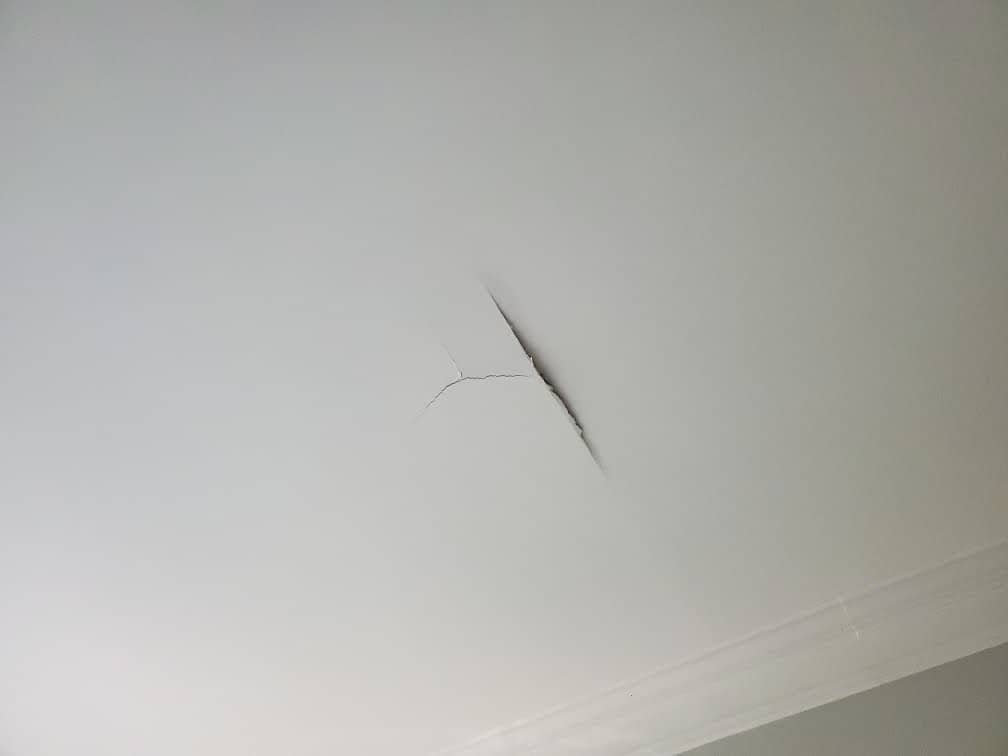
Repairing openings and cracks in drywall calls for a systematic technique to ensure a smooth surface. The location bordering the damages ought to be cleaned up thoroughly to get rid of dirt and particles. Next off, for little fractures, a putty knife is used to use a joint compound equally over the location. For larger openings, a spot is required; the damaged area is cut out, and a brand-new piece of drywall is fitted in location, safeguarded with screws. Once the spot Resources remains in position, joint compound is put on mix the edges. After drying, sanding the location smooth is vital. Ultimately, the fixed surface must be topped and repainted to match the surrounding wall, guaranteeing an unnoticeable repair service.
Methods for Putting Up Drywall Panels
Installing drywall panels needs careful planning and specific execution to assure a specialist and smooth surface. It is essential to determine the wall surface space precisely and reduce the panels to fit, making certain that they align with the studs. Placing the panels flat is typically suggested, as this can boost the architectural integrity and minimize the variety of seams.
Using drywall screws, installers need to secure the panels every 16 inches along the studs, guaranteeing a company hold. It is vital to stay clear of overdriving the screws, which can harm the paper surface area. For corners and edges, making use of an energy blade permits for tidy cuts and a snug fit.
Finishing Touches: Insulation, Mudding, and Fining sand
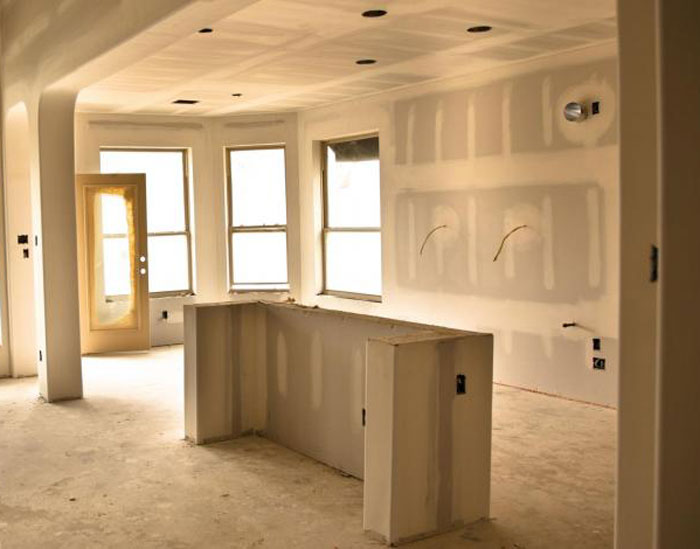
Once the drywall panels are firmly in position, the next vital step involves the complements of taping, mudding, and sanding. Taping is necessary for developing a smooth change in between panels and concealing joints. A quality drywall tape, either paper or fiberglass fit together, must be used over the seams, ensuring it adheres appropriately to the mud that will be applied next.
Mudding, or applying joint compound, adheres to the taping procedure. This substance loads voids and ravel the surface. A very first layer ought to be used generously, feathering the edges to blend with the drywall. After the first layer dries out, succeeding layers may be needed for a remarkable surface.
Ultimately, sanding is required to attain a smooth surface. A fine-grit sandpaper should be utilized to carefully smooth out any type of blemishes. dig this Treatment should be required to stay clear of over-sanding, which can harm the drywall - Interior Painting. Effectively implemented, these completing touches produce a professional appearance ready for painting
Tips for Keeping Your Drywall After Setup
Maintaining drywall after installment is essential to preserving its appearance and architectural stability. Regular cleansing is essential; dust and dirt can collect, so mild cleaning with a damp towel is suggested. Property owners must additionally check for any kind of indicators of moisture or mold, particularly in high-humidity locations like washrooms and cooking areas. If any damage occurs, it's crucial to resolve it immediately to stop further concerns.
Making use of furnishings pads can help prevent scratches or damages from heavy products. Additionally, painting the drywall with a high-grade, cleanable paint gives an added layer of defense and makes future cleaning less complicated. Avoid using abrasive cleaners or devices, as these can damage the surface. Keeping a steady indoor climate with appropriate moisture levels will certainly aid stop warping or fracturing over time. By complying with these tips, one can guarantee that drywall remains in exceptional condition for many years to come.
Regularly Asked Concerns
How Lengthy Does Drywall Take to Totally Dry After Installation?
Can I Set Up Drywall Over Existing Drywall?
Yes, drywall can be set up over existing drywall, yet it is necessary to assure the underlying surface area is safe and secure and properly prepared. This method can boost insulation and reduce installment time, though it might include weight.
What Is the very best Way to Soundproof Drywall?
The very best means to soundproof drywall entails making use of specialized soundproofing products, such as durable channels, acoustic caulk, and sound-dampening drywall. These strategies efficiently lessen audio transmission in between rooms, improving general acoustic performance in living spaces.
Just how Do I Select the Right Drywall Thickness?
To choose the ideal drywall density, think about the application and location. Standard residential wall surfaces typically utilize 1/2 inch, while ceilings or specialized areas might require 5/8 inch for extra stamina and soundproofing capabilities.
Are There Eco-Friendly Drywall Options Available?
Yes, environmentally friendly drywall choices are available. These consist of items made from recycled materials, gypsum boards with reduced unstable organic compounds (VOCs), and those making use of sustainable production processes, providing environmentally-conscious selections for building and improvement jobs.
Having the right devices is necessary for efficient drywall repair and installment. For hanging drywall, a power drill with drywall screws is important, as it makes it possible for quick and protected setup. Key devices consist of an energy blade for reducing drywall, a tape procedure to look at here now ensure accurate sizing, and a drywall saw for larger holes. Yes, drywall can be set up over existing drywall, but it is important to ensure the underlying surface area is secure and effectively prepared. The ideal method to soundproof drywall entails using specialized soundproofing products, such as resilient channels, acoustic caulk, and sound-dampening drywall.
Comments on “Learn about how Drywall Installation Ogden Utah can enhance professional painting services.”